The hypothesis we defendThe hypothesis defended by Proyecto AD’s author is that the Lady of Envigado received social recognition whose basis may have been symbolic and relational, without the described materials demonstrating accumulated wealth or the exercise of institutional power. Prestige can be expressed through shared memory, connections between communities and the labour a group chooses to devote to a person.119
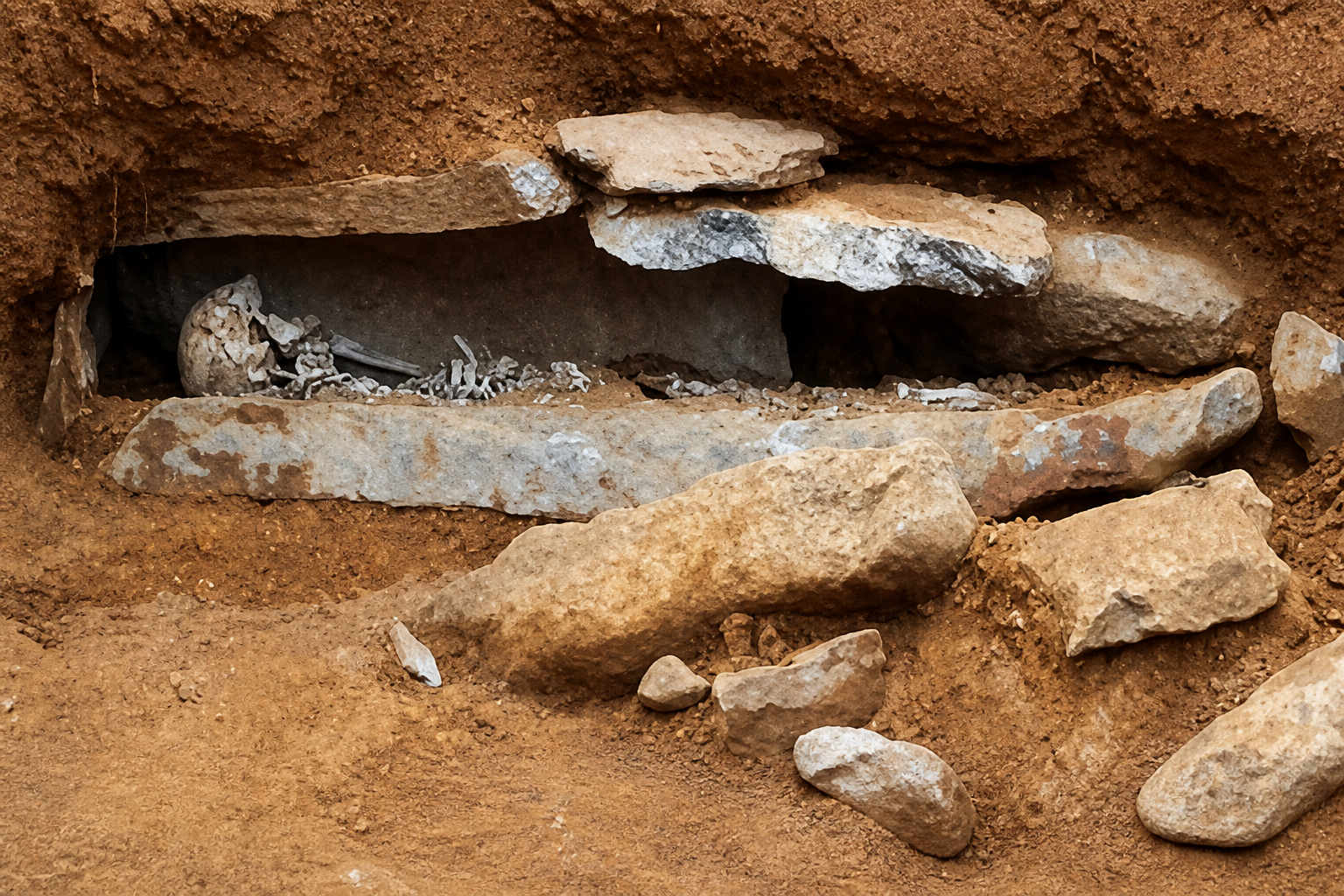
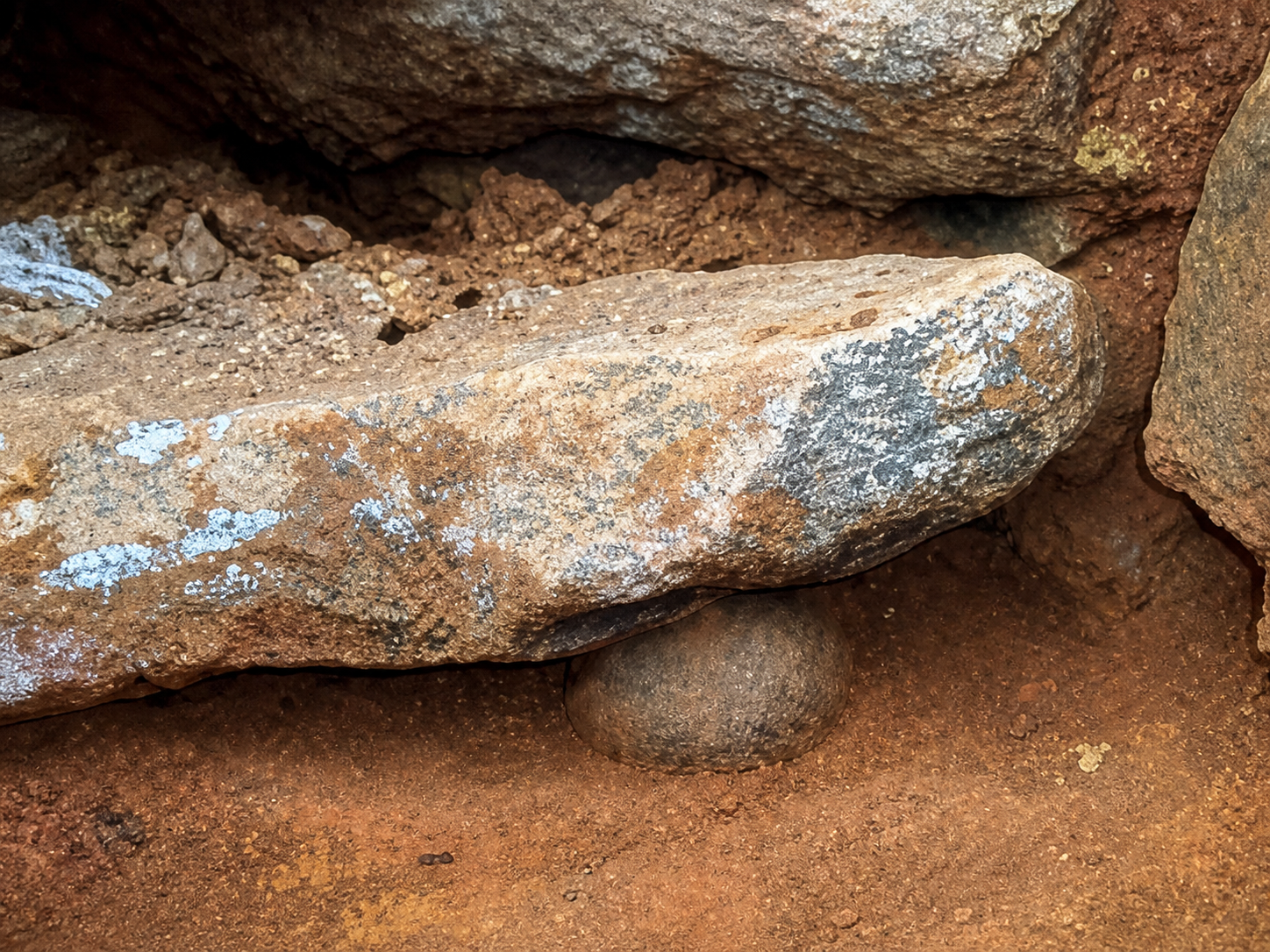
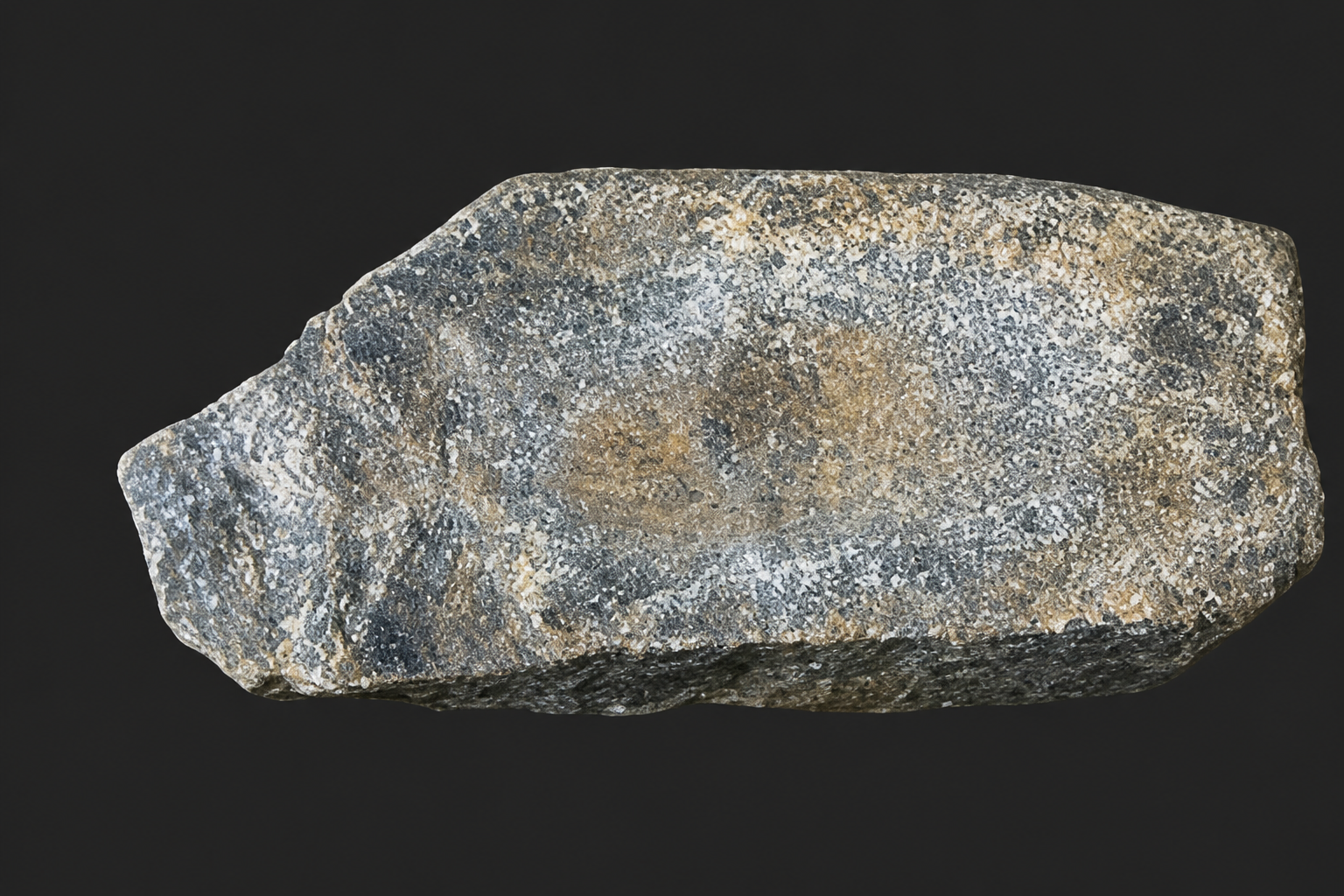
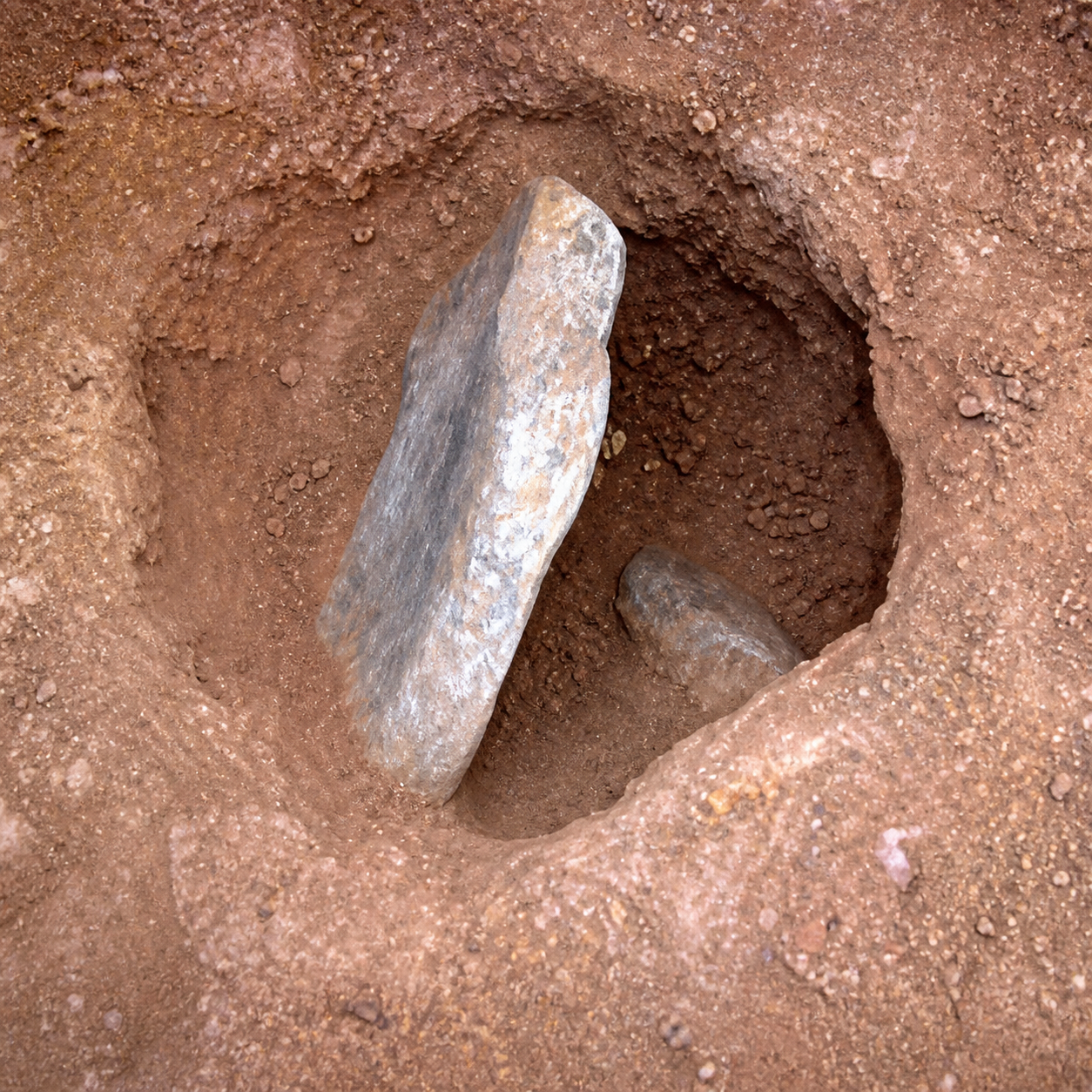
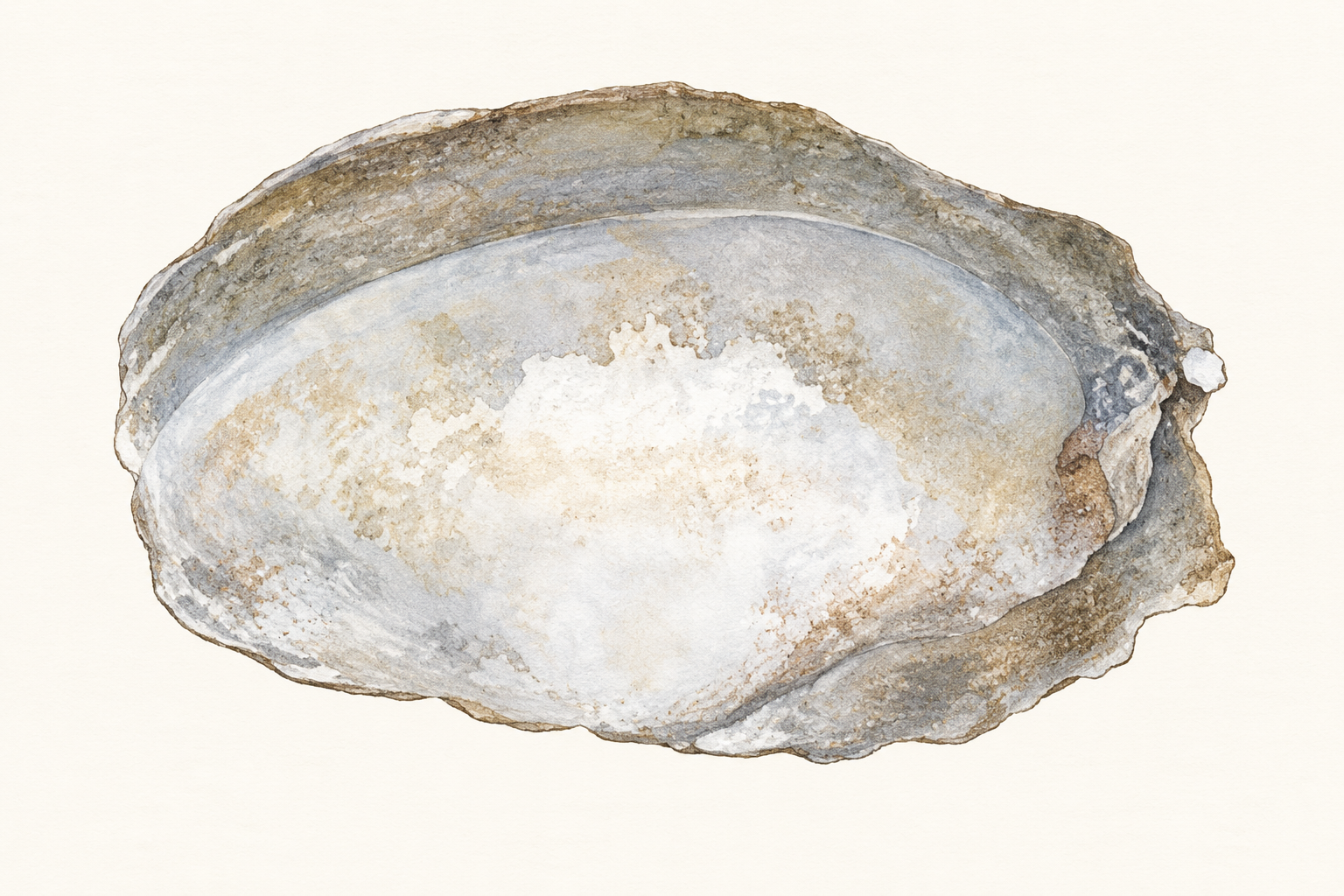
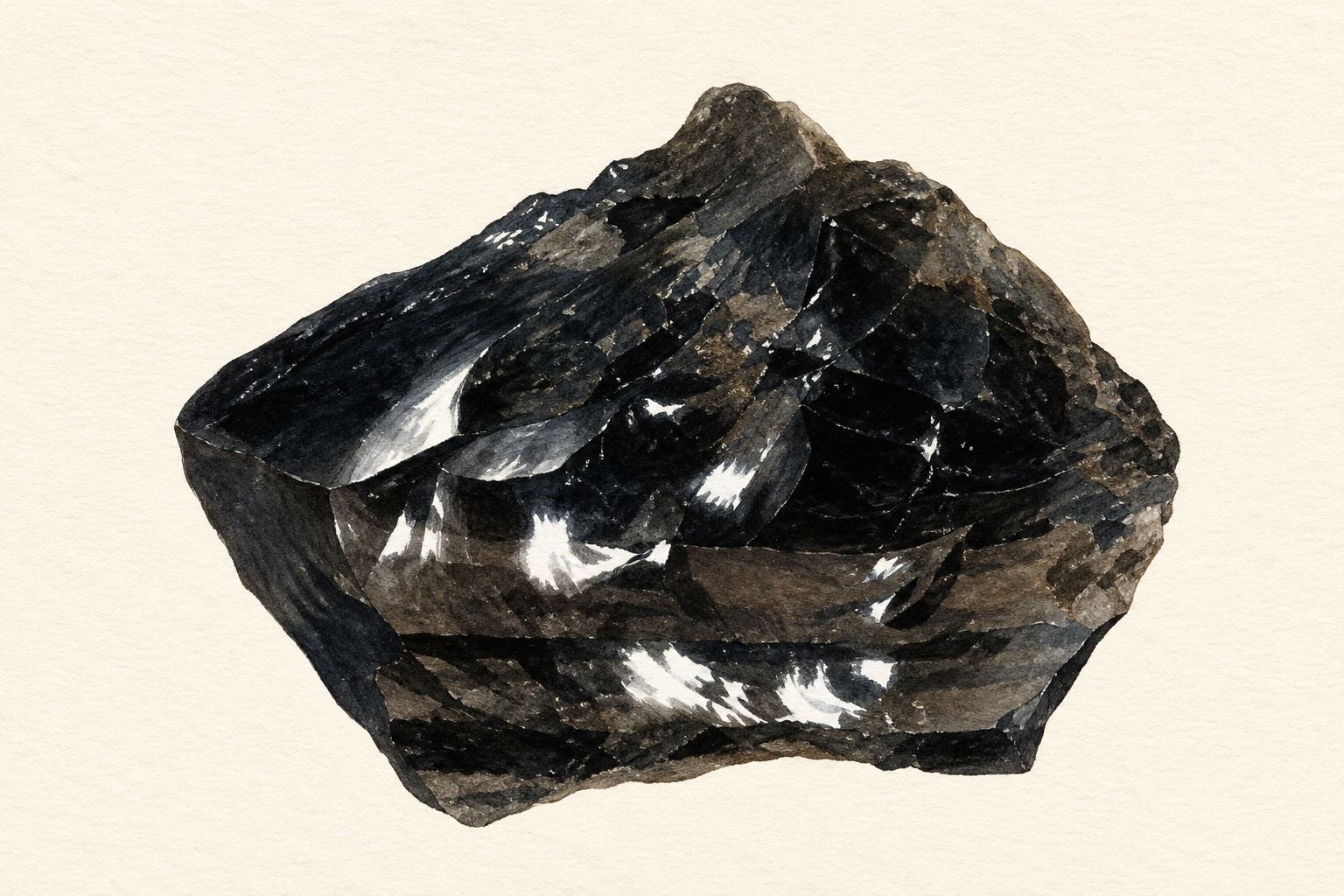
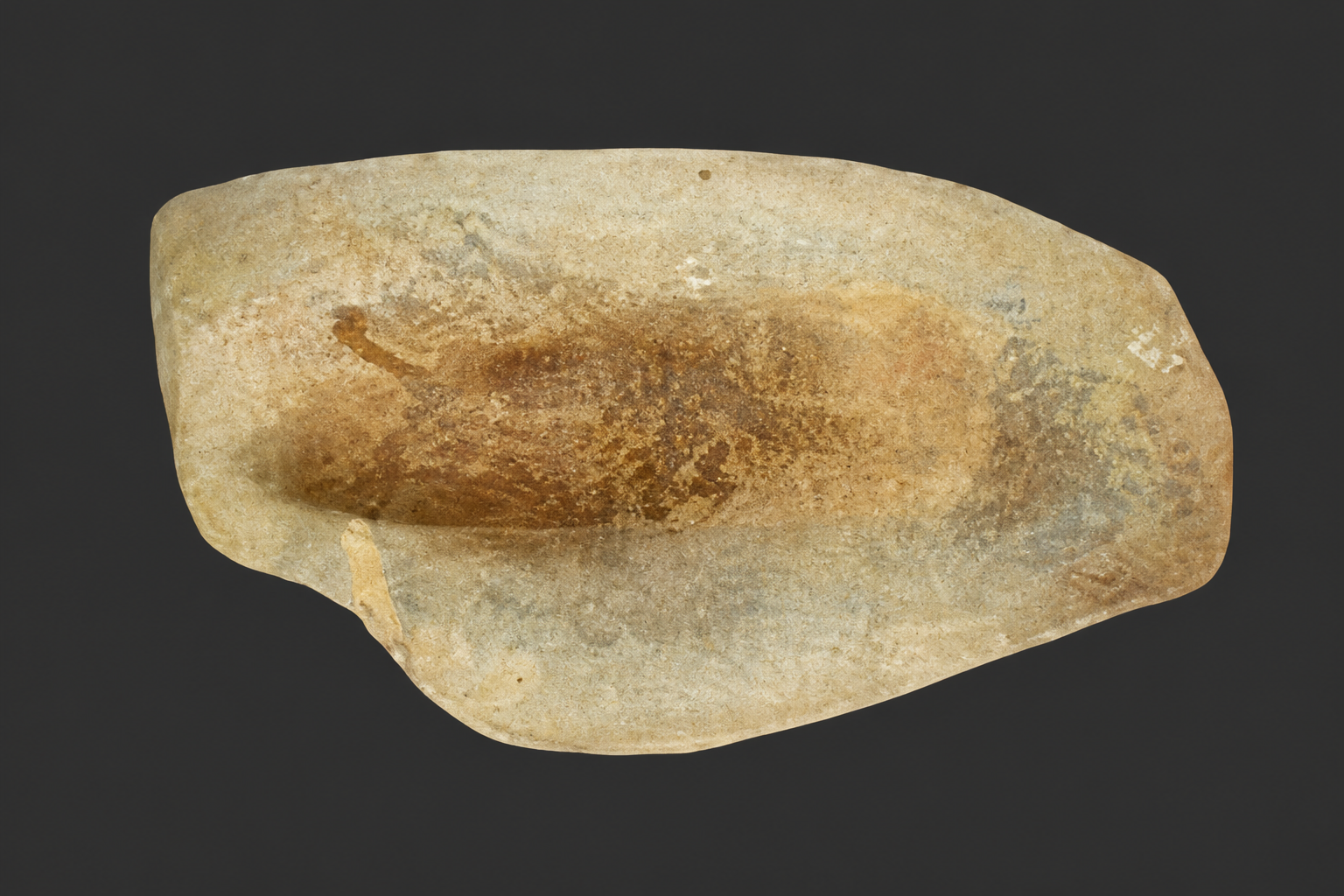
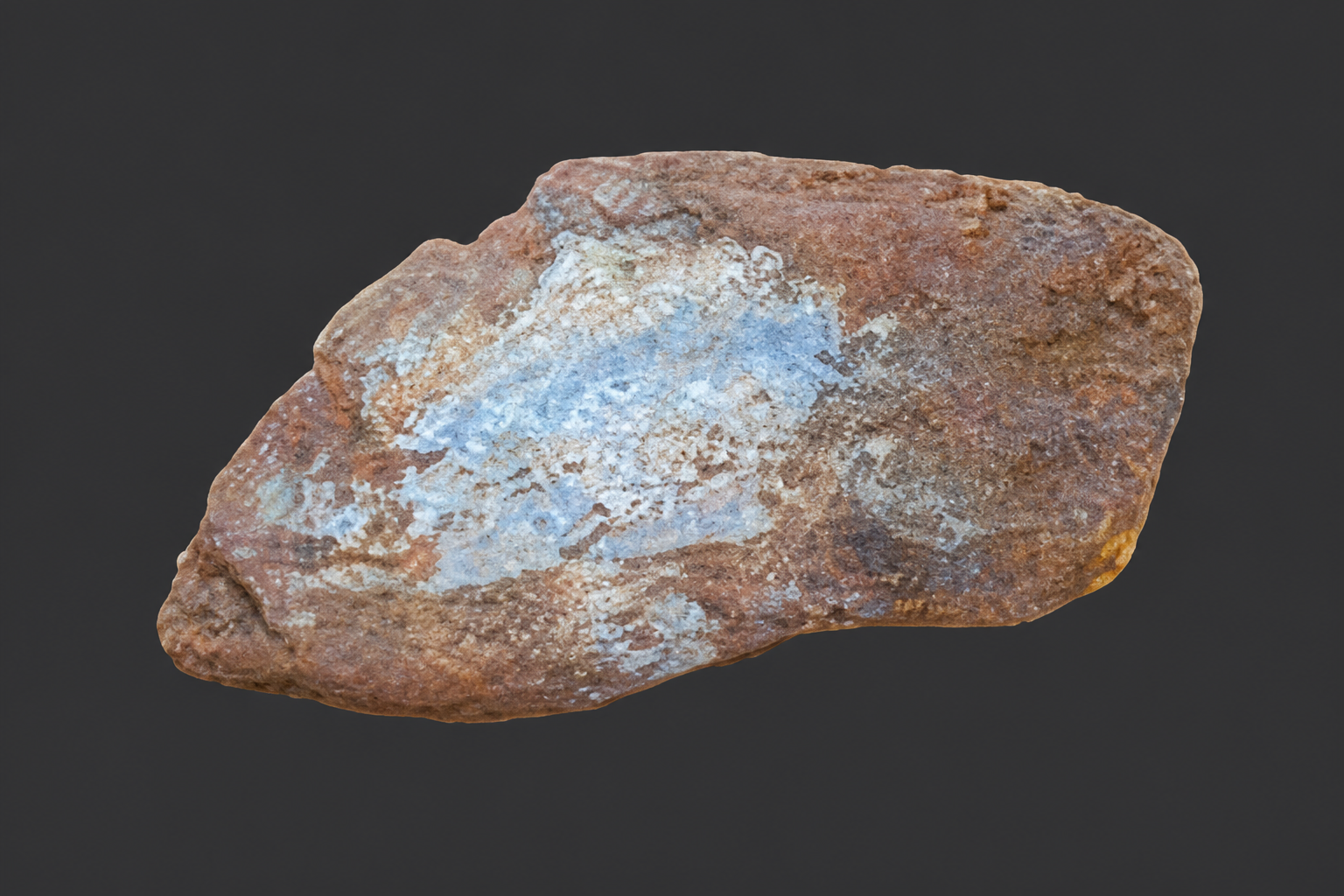
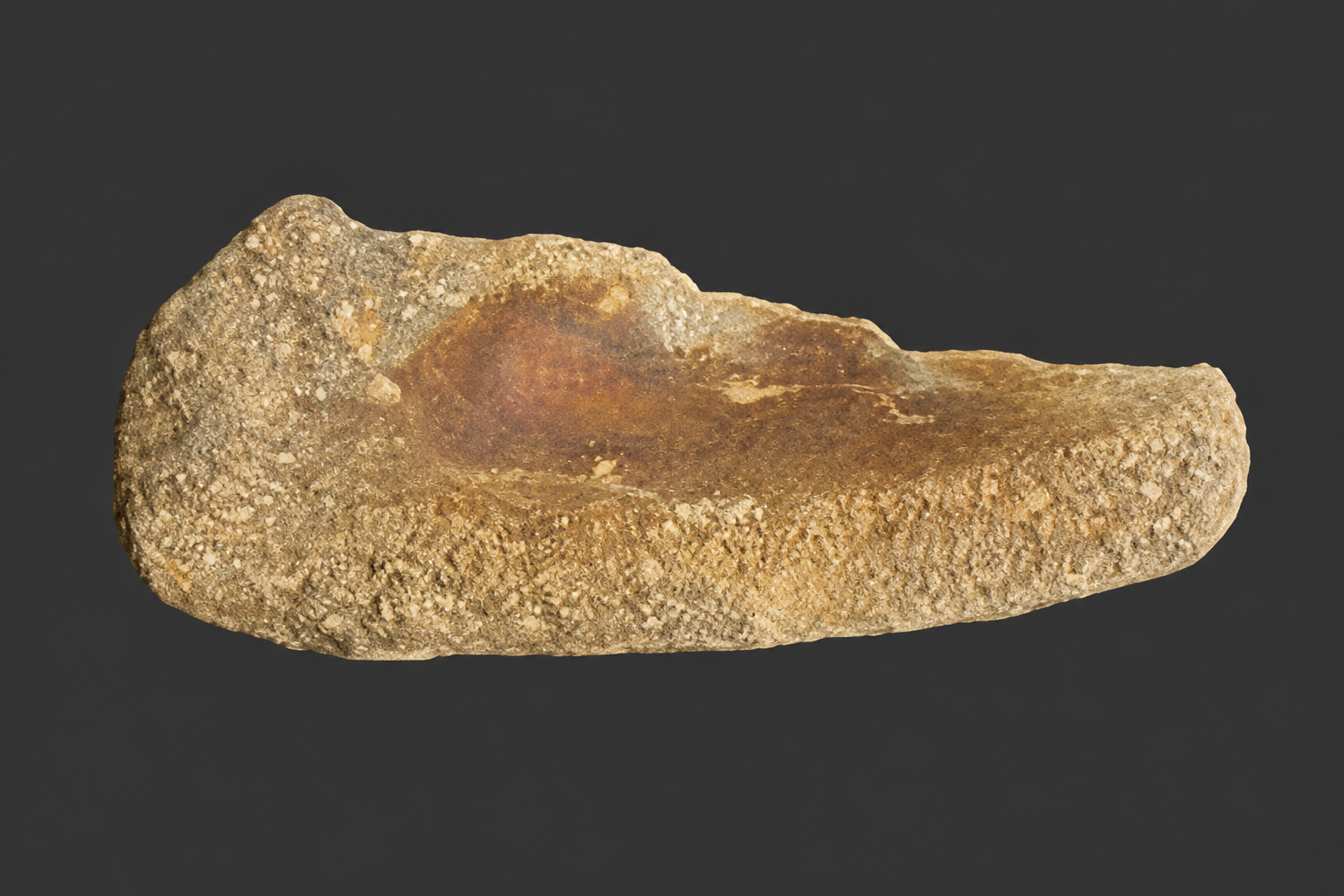
This reading is supported by the combination of unusual funerary architecture, heavy slabs and four grinding stones. Stone takes centre stage: materials connected with everyday work acquire another function in burial. The marine shell and obsidian recorded at the site extend this horizon towards relationships beyond the Valley. Their local rarity and possible journeys may confer social value without amounting to a personal fortune. Santos presents them precisely as possible prestige goods in an exchange context; the author’s hypothesis proposes understanding that prestige through recognition and symbolic value.3, 118, 119
The strength of the argument is that a person’s social importance can be expressed through meaningful objects and collective actions without requiring lavish grave goods. An exceptional burial does not automatically identify a ruler or priestess either. The available finds support this interpretation of recognition; they are insufficient to demonstrate an office, an economic elite or political control, and they do not prove their absence.119
Guayabal: diversity, craft and a question about movement
The Guayabal assemblage offers another way to investigate how everyday things become meaningful. Arcila documented 213 spindle whorls: a notable quantity and diversity of forms and motifs associated with spinning. Visible differences alone are insufficient to assign regional provenances to individual objects. The comparison here focuses on the whorls without overlooking other materials—including gold objects—in that burial.150
The author also proposes that some designs may have activated a code or short visual sequence when spinning rapidly around the axis of their central hole. This is a hypothesis to explore, not a demonstrated reading. Digital models made from photographs with AI assistance could allow motifs to be compared at rest and in rotation, without handling the objects or making painstaking physical replicas. Tests should record speed, direction of rotation and lighting, and distinguish observed surfaces from reconstructed areas. Animation would help examine visual effects; attributing pre-Hispanic intent to them would require additional evidence.119
Value is made between people
Comparison with the Kula helps explain this idea. The Kula is an institution of ceremonial exchange, not an object: shell necklaces and armbands circulate within it, and their value relates to their histories, previous holders and the prestige accompanying their circulation. Malinowski shows that relationships and memory form part of that value. No historical equivalence with Envigado is proposed; the example illustrates that an object’s social value depends on shared conventions and cannot be reduced to material utility.151
A stone, a ceramic object or a shell can therefore become a prestige object when a community recognises a high symbolic value in it. Its material qualities, uses and histories participate in ways of belonging, distinguishing oneself and being recognised. Mauss’s reflection on the notion of person allows us to consider a ‘self’ formed through collective relationships without assuming that ancient societies lacked individuality. From this perspective, the Lady of Envigado invites us to explore personal recognition that acquires meaning within a group: prestige sustained by symbols, relationships and memory, even where the record does not demonstrate accumulated wealth or institutional power.119, 152
Explore the Guayabal spindle whorls · Return to the Lady of Envigado on the timeline