One material, many histories
What does it mean for a stone to ‘speak’?
In archaeology, the long history of stone technologies does not justify imagining societies frozen in a single ‘Stone Age’. Stone tools formed part of broader technological repertoires. Since wood, fibres and other organic materials generally preserve less well, stone may occupy a disproportionate place in the archaeological record, without necessarily having dominated technological life as a whole.125
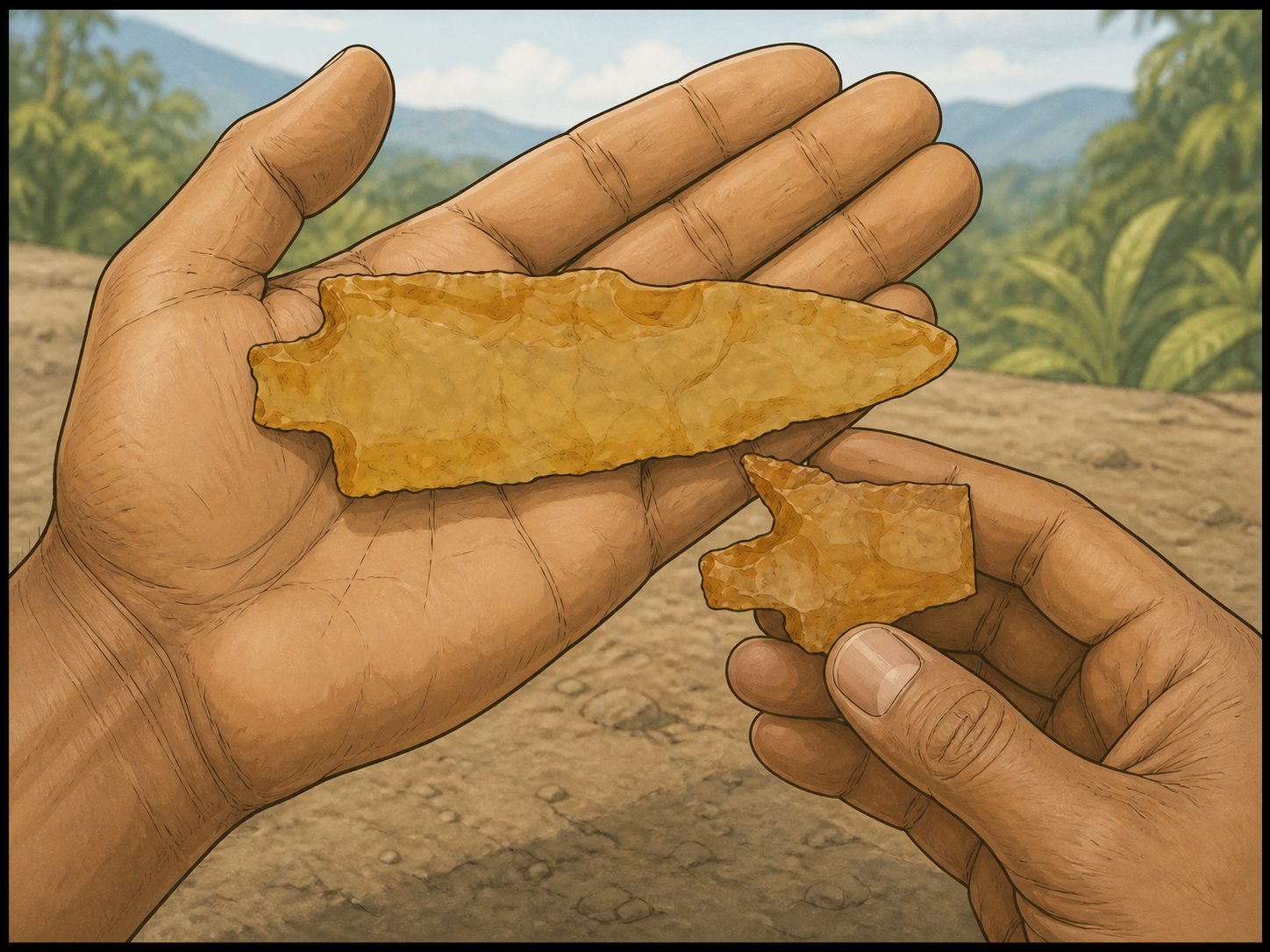
An object’s shape does not automatically reveal its function. Raw material, manufacturing sequence, fractures, microscopic traces, residues, stratigraphic position and associations with other evidence must be studied together. Metates and grinding slabs can process plant, animal or mineral materials and acquire long histories of use; morphology alone cannot establish what was ground or for how long.125, 126
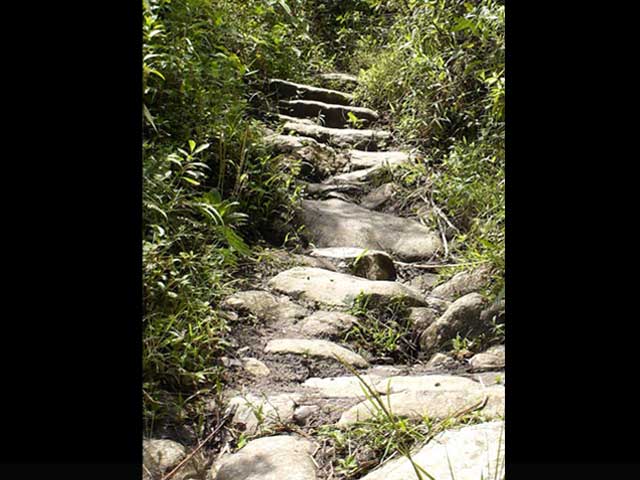
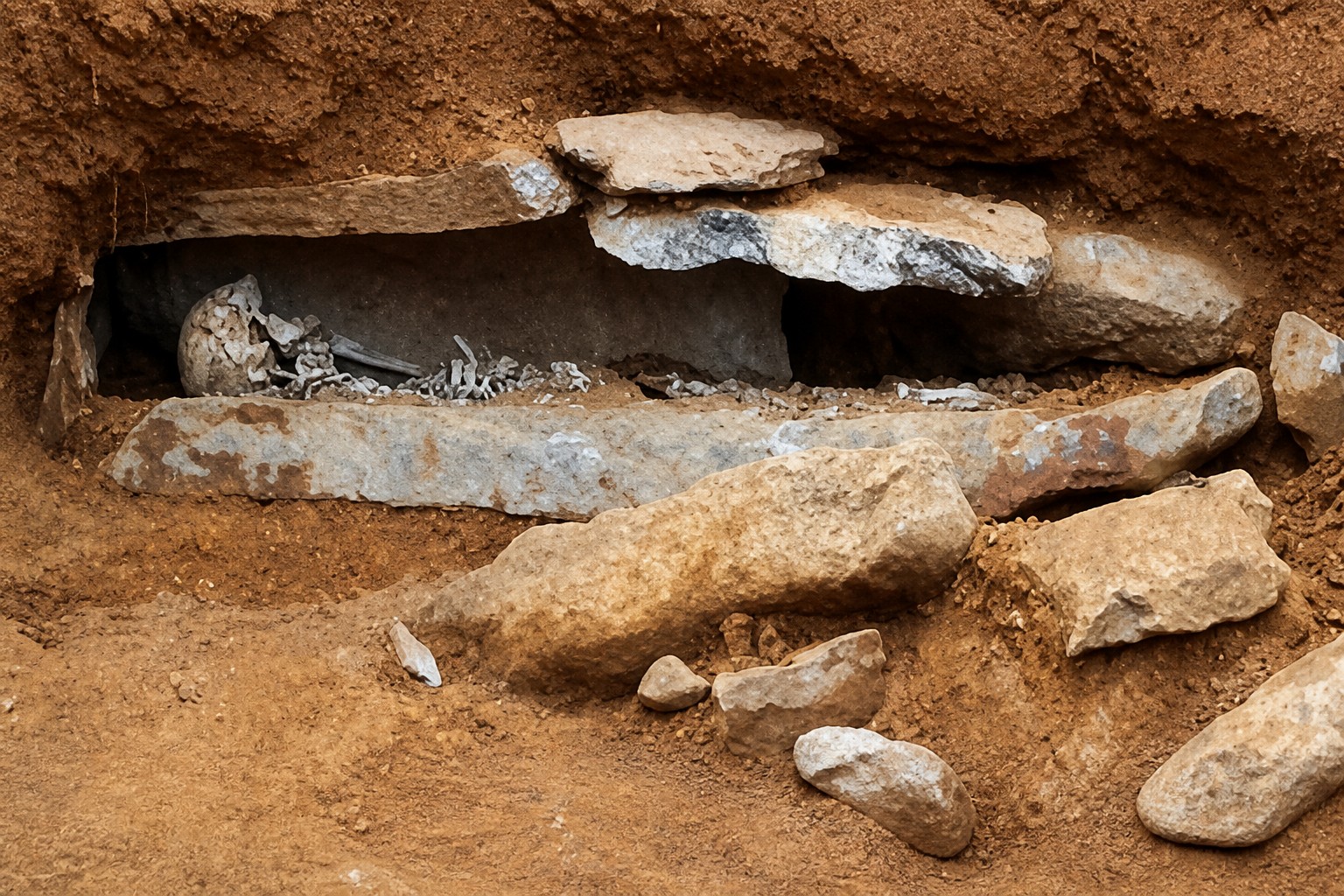
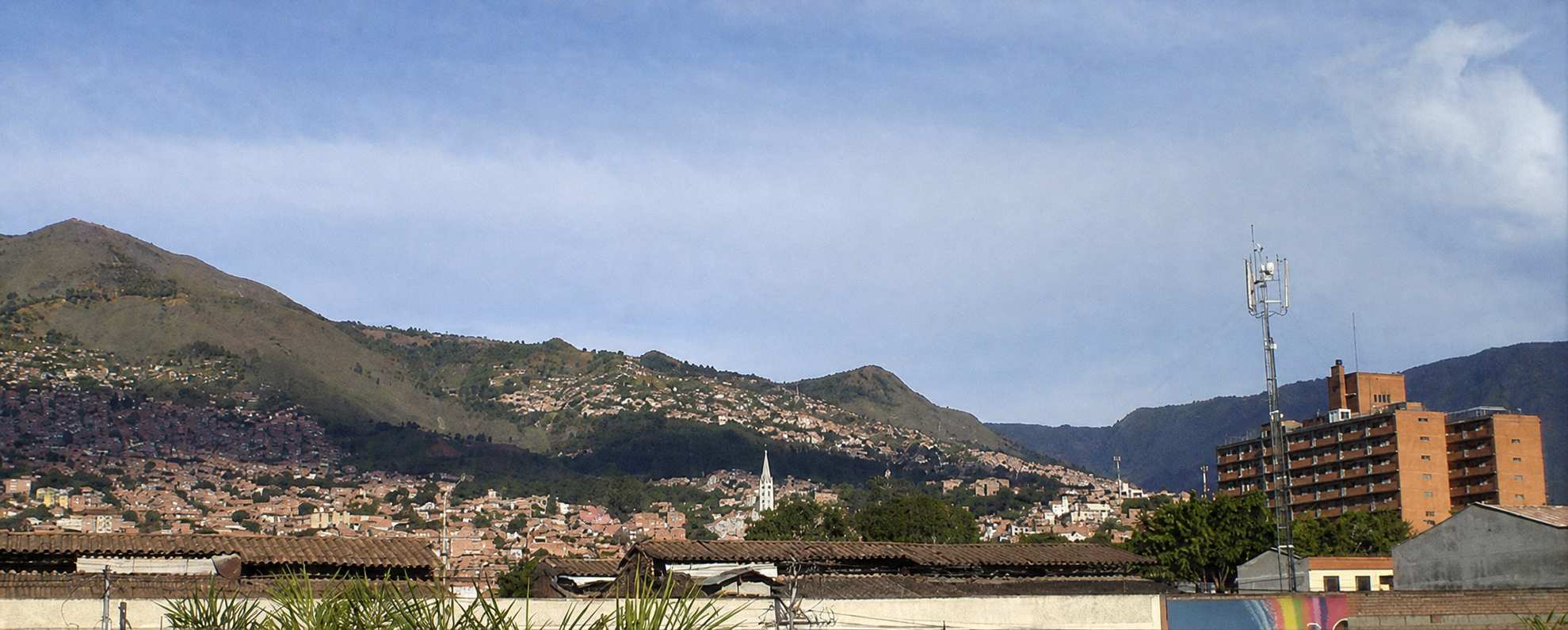
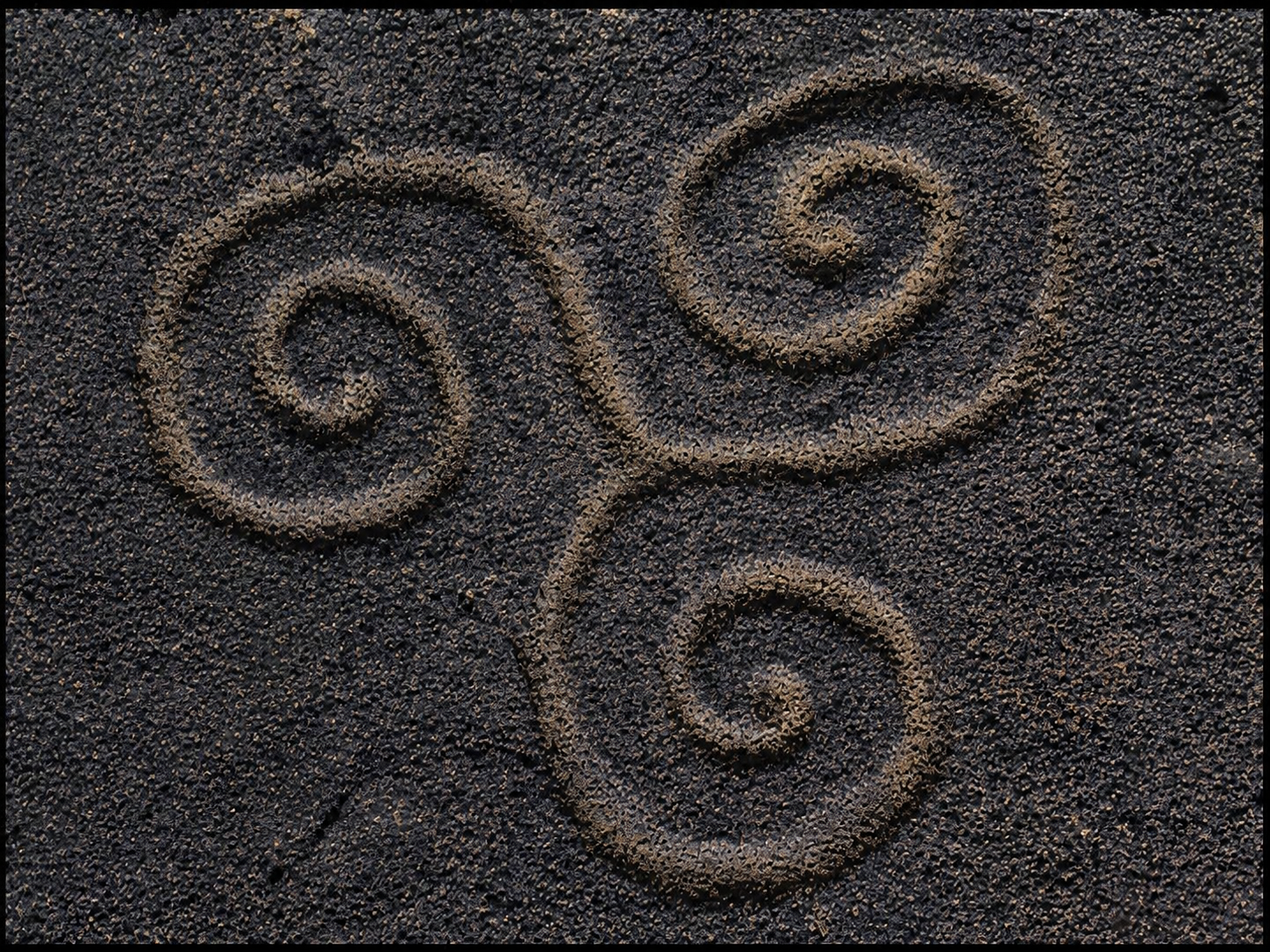
In the Aburrá Valley, stone occurs in portable objects, grinding surfaces, paths, terraces, walls, channels, tombs and rock engravings. It also forms natural outcrops such as La Galana, whose possible human significance must not be confused with demonstrated human modification. Each scale raises different questions and requires observation, comparison and interpretation to remain distinct.36, 110, 118, 127, 128

 Explore